
SOUTH TAMPA THERAPY FREE RESOURCES BLOG

Intentional Living for Couples and Trauma Recovery
For couples and trauma survivors, intentional living is not about perfection.
It is about creating safety — inside yourself and between each other.
When the nervous system feels safe, energy can flow.
When energy flows, connection becomes possible.
When connection is possible, healing happens.
How the nervous system, IFS, and Nonviolent Communication support healing and connection
For couples and individuals healing from trauma, intentional living is not about self-improvement. It is about safety.
Trauma — whether from childhood, relationships, or life events — teaches the nervous system to stay on alert. In relationships, this can look like:
Reactivity or emotional outbursts
Emotional shutdown or numbness
Fear of closeness or fear of abandonment
Escalating conflict
Avoidance, withdrawal, or clinging
These are not character flaws. They are nervous system responses designed to protect you from danger.
Trauma and the Nervous System
A traumatized nervous system is constantly scanning for threat. Even neutral moments can feel unsafe. This can lead to:
Misreading tone or facial expressions
Feeling attacked when no harm was intended
Overreacting to small stressors
Difficulty trusting
Trouble staying present
In couples, two nervous systems are always interacting. When both partners are dysregulated, conflict can spiral quickly and feel impossible to resolve.
Healing begins with:
Slowing down reactions
Recognizing survival states (fight, flight, freeze, collapse)
Building emotional safety before problem-solving
Learning how your body responds to stress
Understanding triggers instead of blaming
Internal Family Systems (IFS): Healing the Parts That Learned to Survive
Internal Family Systems (IFS) helps trauma survivors and couples understand the inner system shaped by past experiences.
You may have parts that:
Get angry quickly
Push people away
Shut down emotionally
Stay hyper-alert
Avoid vulnerability
These parts developed to protect more vulnerable parts inside of you. They are not bad or broken — they are adaptive survival strategies.
IFS helps you:
Create space between you and your reactions
Build compassion for your inner world
Reduce shame and self-judgment
Respond from your calm, grounded Self
Create internal safety before relational change
In couples work, this means shifting from
“I am the problem”
to
“A part of me is activated right now.”
That shift alone can soften conflict and increase empathy.
Nonviolent Communication (NVC): Creating Safety Through Language
Nonviolent Communication (NVC) is especially helpful for couples and trauma recovery because language can either activate fear or create connection.
NVC teaches partners to communicate using:
Observations instead of accusations
Feelings instead of blame
Needs instead of criticism
Requests instead of demands
For example, instead of:
“You always shut me out.”
Try:
“When I don’t hear back from you, I feel scared and I need reassurance. Would you be willing to text me when you’re running late?”
This kind of communication:
Reduces defensiveness
Calms the nervous system
Builds emotional safety
Increases trust
Makes repair possible
Energy, Attachment, and Emotional Safety
Trauma contracts energy. Safety expands it.
When couples feel emotionally safe:
Bodies relax
Emotions soften
Listening improves
Touch feels safer
Trust grows
Intentional living in trauma recovery means choosing:
Regulation over reactivity
Curiosity over judgment
Connection over control
Safety over being right
Repair over withdrawal
When nervous systems feel safe, emotional and relational energy can move instead of getting stuck in fear-based patterns.
A Couple’s Check-In Practice
Before difficult conversations, try this short pause together:
“What state is my nervous system in right now?”
“What part of me is activated?”
“What do I need to feel safe enough to talk?”
Then speak from feelings and needs rather than blame or criticism.
Final Thoughts
For couples and trauma survivors, intentional living is not about perfection.
It is about creating safety — inside yourself and between each other.
When the nervous system feels safe, energy can flow.
When energy flows, connection becomes possible.
When connection is possible, healing happens.
📍 Serving Tampa, FL & all of Florida via secure telehealth
✨ Book a session here: https://southtampacounselor.com/bookappointment

Multiplicity & Self-Leadership in Internal Family Systems (IFS)
In therapy and everyday language, we often say things like, “A part of me feels tired, but another part feels guilty resting.”
In Internal Family Systems (IFS therapy), this isn't metaphor - it’s a compassionate and evidence-based way of understanding the mind.
IFS teaches that we each have many “parts,” and at the core, an inner Self - calm, curious, compassionate, and capable of leading our inner system with clarity and wisdom.
In therapy and everyday language, we often say things like, “A part of me feels tired, but another part feels guilty resting.”
In Internal Family Systems (IFS therapy), this isn't metaphor - it’s a compassionate and evidence-based way of understanding the mind.
IFS teaches that we each have many “parts,” and at the core, an inner Self - calm, curious, compassionate, and capable of leading our inner system with clarity and wisdom.
Understanding Multiplicity in IFS Therapy
Many people believe they should have a single, consistent identity - one clear self, always in control.
So when we feel conflicted, anxious, or pulled in different directions, we assume something is wrong.
IFS reframes this truth:
Multiplicity isn’t dysfunction - it’s human.
Just like a family system, our inner world contains many parts, each with its own role:
Protective parts that try to keep us safe
Manager parts that strive, push, plan, and perform
Exiled parts that carry hurt, shame, fear, and past wounds
When we recognize these parts as inner protectors instead of problems, we open the door to self-compassion and emotional safety.
What Is the Self in Internal Family Systems?
IFS believes there is a core Self within each of us - not a part, but the authentic center of who we are.
Qualities of Self include:
Calmness
Clarity
Curiosity
Compassion
Confidence
Connectedness
Self-leadership isn’t something we “achieve.”
It’s something we allow, by gently noticing and caring for the parts inside that are trying to help us survive and belong.
Self-Leadership: Healing Through Compassion
When the Self leads, internal conflict eases. Parts no longer need to shout, numb, defend, or panic to be heard.
In IFS trauma-informed therapy, healing looks like:
An anxious part softens because it feels seen
A critical part relaxes when understood as a protector
A younger hurting part finally receives comfort & connection
We don’t force change - we create inner safety where change becomes possible.
How to Start Practicing IFS in Daily Life
A gentle entry point into Internal Family Systems is language.
Instead of saying “I’m overwhelmed,” try:
“A part of me feels overwhelmed.”
This simple shift:
Creates emotional space
Reduces shame
Helps you access curiosity instead of criticism
Other grounding questions:
What is this part trying to protect me from?
What does this part need right now - reassurance, rest, boundaries, care?
Can I bring kindness to this feeling instead of judgment?
Small moments of self-attunement build powerful internal trust over time.
Why IFS Therapy Matters
When we stop fighting our feelings and begin befriending them, everything shifts:
Less internal conflict
Increased emotional resilience
Healthier boundaries
Greater intimacy in relationships
A deeper sense of wholeness
IFS offers a path out of self-criticism and into self-connection and inner safety.
Begin Your Healing Journey
Thank you for reading.
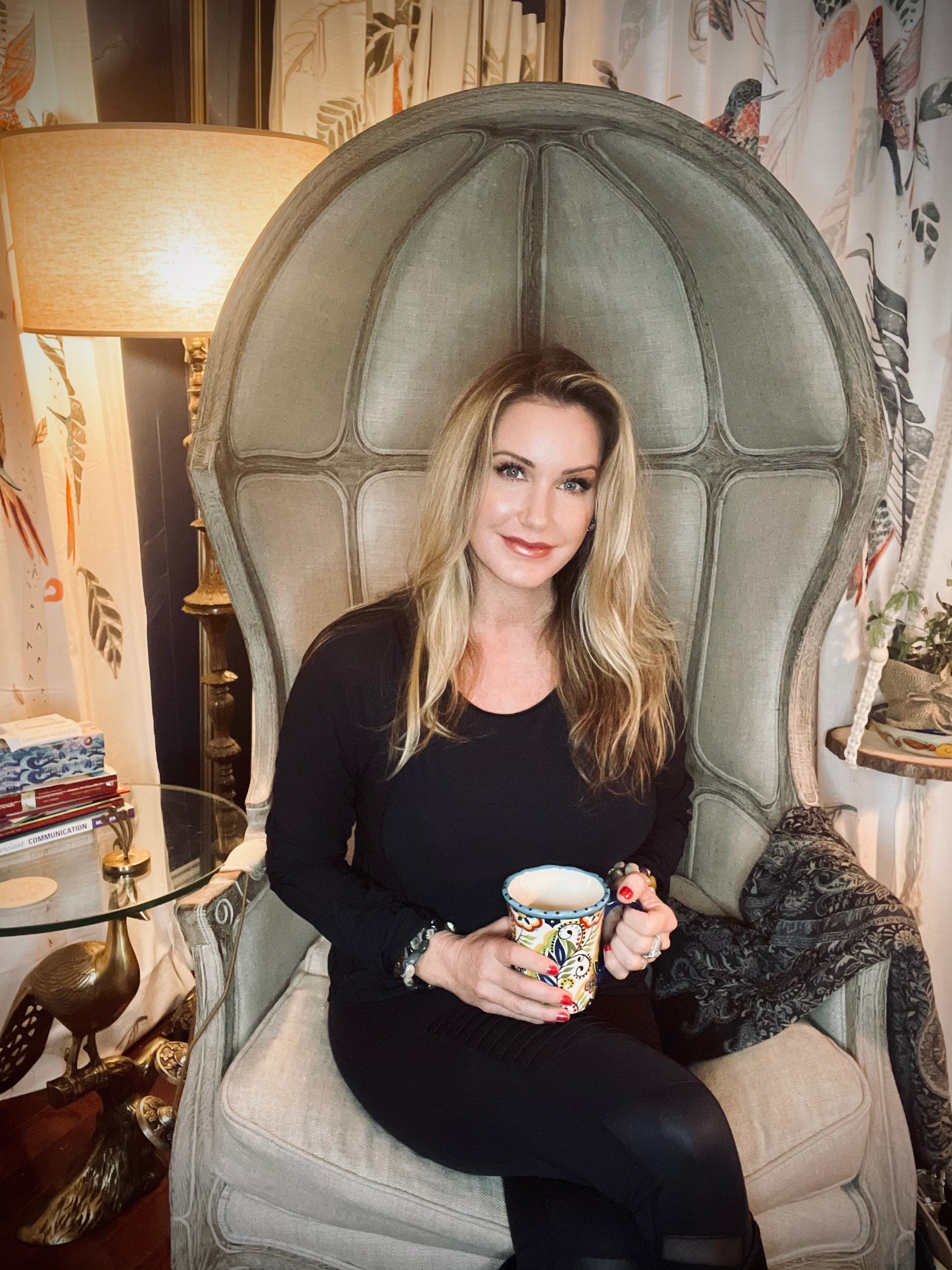
My name is Amber, and I’m a Master’s-level counseling intern at South Tampa Therapy, offering:
Internal Family Systems-informed therapy
Attachment-based support
Trauma-aware counseling
Self-compassion & somatic grounding work
If you’re seeking IFS-informed therapy in Tampa or want support building inner safety and emotional balance, I’d love to walk with you on your healing journey.